
Thinking About Starting a Food or Beverage Brand?
Read This First.

If you’re here, you’ve probably decided you want to start a food or beverage company — or you’re close.
You might already be:
Googling food scientists or beverage formulators
Talking to copackers
Sketching branding ideas
Pricing out ingredients and packaging
That’s all normal. It’s also where most first-time founders make their most expensive mistakes.
I’m not writing this to talk you out of starting something. I’m writing it to help you avoid wasting time, money, and momentum before the business even gets off the ground.
The mistake most founders make at the start
Most people think the first step is formulation.
So they hire a food scientist.
Or they call a beverage formulator.
Or they start paying labs and consultants by the hour.
Sometimes that’s correct. Very often, it’s too early.
Formulation is a problem — but it’s rarely the problem.
What actually causes early-stage food and beverage brands to fail isn’t taste.
It’s decisions made around the product before the economics, the path to market, and the constraints are fully understood.
That’s where tens of thousands of dollars quietly disappear.
What founders think they need vs. what they actually need
What most founders think they need:
A “perfect” formula
A copacker quote
Beautiful branding
A prototype they can show friends or investors
What they actually need early on:
A realistic cost structure
Clarity on minimum order quantities (MOQs) and cash requirements
A distribution path that makes sense for their product
A launch scope that won’t kill them financially
If those things aren’t aligned, even a great product becomes a liability.
The hidden cost of “getting started”
Here’s a hard truth:
Early-stage CPG isn’t expensive because of one big bill — it’s expensive because of death by small, confident decisions.
I’ve seen founders:
Spend $25k+ on formulation that had no viable copacking path
Lock into packaging specs that crushed margins
Build for national scale when the business needed a local launch
Raise money too early (or too late) because the plan wasn’t grounded in reality
None of these people were reckless. They were just early — and didn’t have someone pressure-testing their decisions.
Why I’m qualified to say this
I’m not a theorist. I started and built a food & beverage company from scratch.
Raised real capital ($9MM)
Sold into thousands of retailers (3,500 including Whole Foods & Costco)
Navigated distributors, buyers, and copackers
Scaled — and eventually did a strategic partnership
Since then, I’ve helped early-stage founders do this more intelligently— before they’re locked into decisions that are hard (or impossible) to unwind.
I also spend a lot of time with:
Food scientists
Beverage formulators
Copackers
Investors
I sit between all of them. That’s the perspective most first-time founders don’t get.
When it does make sense to hire a formulator
To be clear: food scientists and formulators are incredibly valuable.
But they’re most valuable when:
You understand your target cost per unit
You know your rough MOQ range
You understand where and how the product will be manufactured
You’ve decided what “good enough” is for version one
If you skip those steps, you’re paying experts to solve the wrong problem.
What I actually help founders with
I don’t replace formulators, designers, or manufacturers.
I help founders:
Sanity-check their idea before they spend real money
Understand the true cost of launching (not the optimistic version)
Decide when to do things, not just what to do
Avoid common early-stage traps that stall or kill momentum
Build a path that fits their goals — not someone else’s playbook
Think of it as orientation, not consulting theater.
The first 90 days matter more than you think
The earliest decisions tend to shape everything:
How much money you’ll need
How long you can survive
Whether growth helps you or hurts you
Most founders don’t fail because they’re lazy or untalented.
They fail because they made a handful of reasonable decisions without seeing the downstream consequences.
That’s what I focus on.
A simple offer
If you’re early — idea stage through first formulation conversations — I offer a straightforward orientation call.
No pitch deck required.
No obligation.
No hard sell.
We’ll walk through:
What you’re building
Where you are in the process
What decisions actually matter right now
What can wait
What might be a red flag
If I can help, I’ll tell you how. If not, I’ll tell you that too.
You’ll leave with clarity — which is usually what founders are actually looking for at this stage.

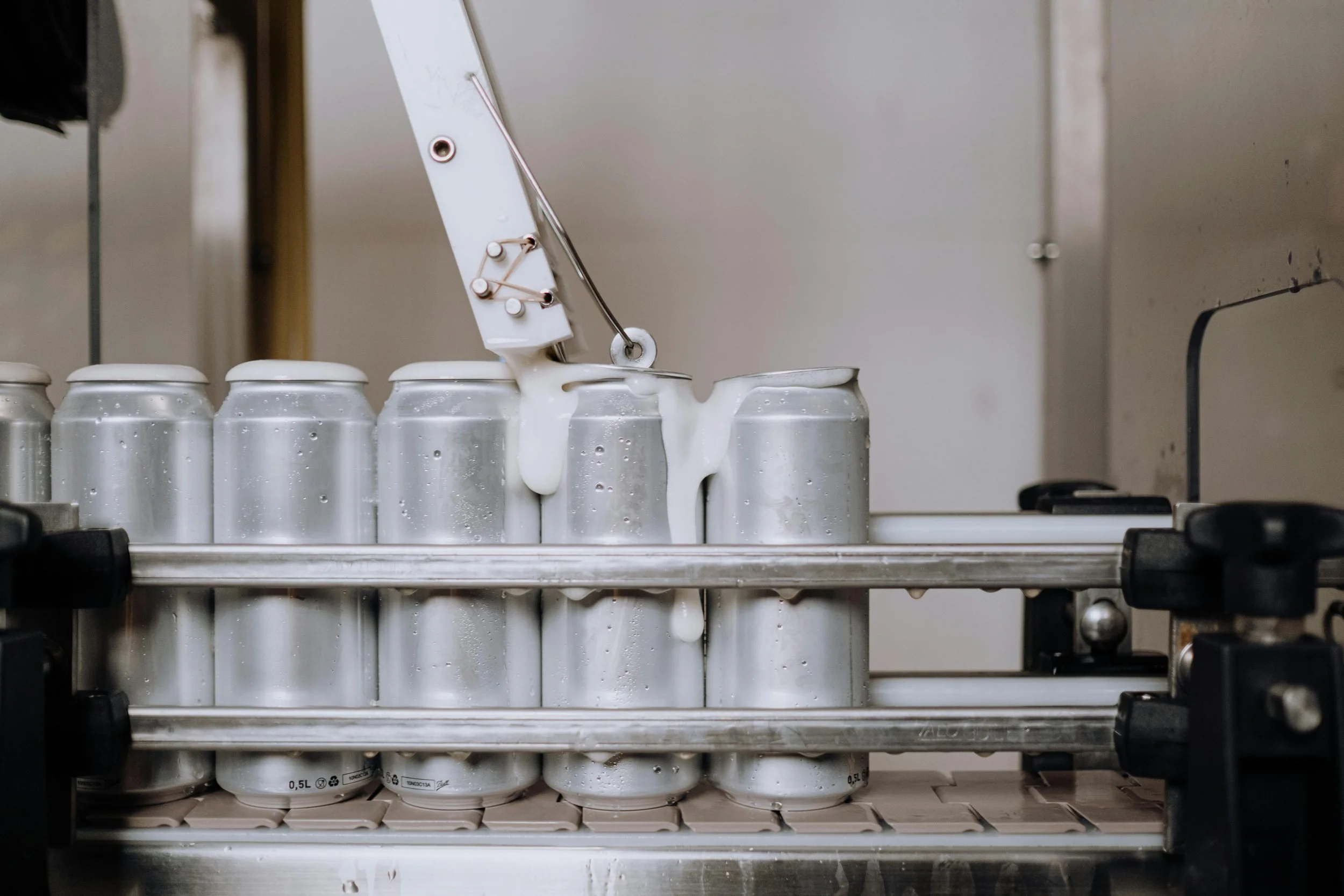
All we had was a vision and a passion to create a product. Ryan helped us put the idea on paper, and execute fast. We had no idea how to start, but Ryan got us up and running and got us our dream product fast and cost effectively.
— Smooth Tauker Canned Cocktails